Our Azolla Activities & Services
From practical farmer demonstrations and custom pond establishment to livestock diet rationing and pure culture distribution, we empower Ugandan farmers to achieve feed sovereignty.
Farmer Training & Practical Demonstrations
We conduct immersive on-farm training sessions and practical field demonstrations for smallholders, youth groups, women cooperatives, and commercial livestock keepers. Topics cover water depth, nutrient fertilization (manure slurries, superphosphate/wood ash), shade regulation, contamination prevention, daily harvesting techniques, and washing procedures.
- Step-by-step Azolla cultivation manuals
- Practical demonstration on mixing water and organic nutrient slurries
- Pest and algae prevention techniques
- Graduation certificate and post-training technical mentoring
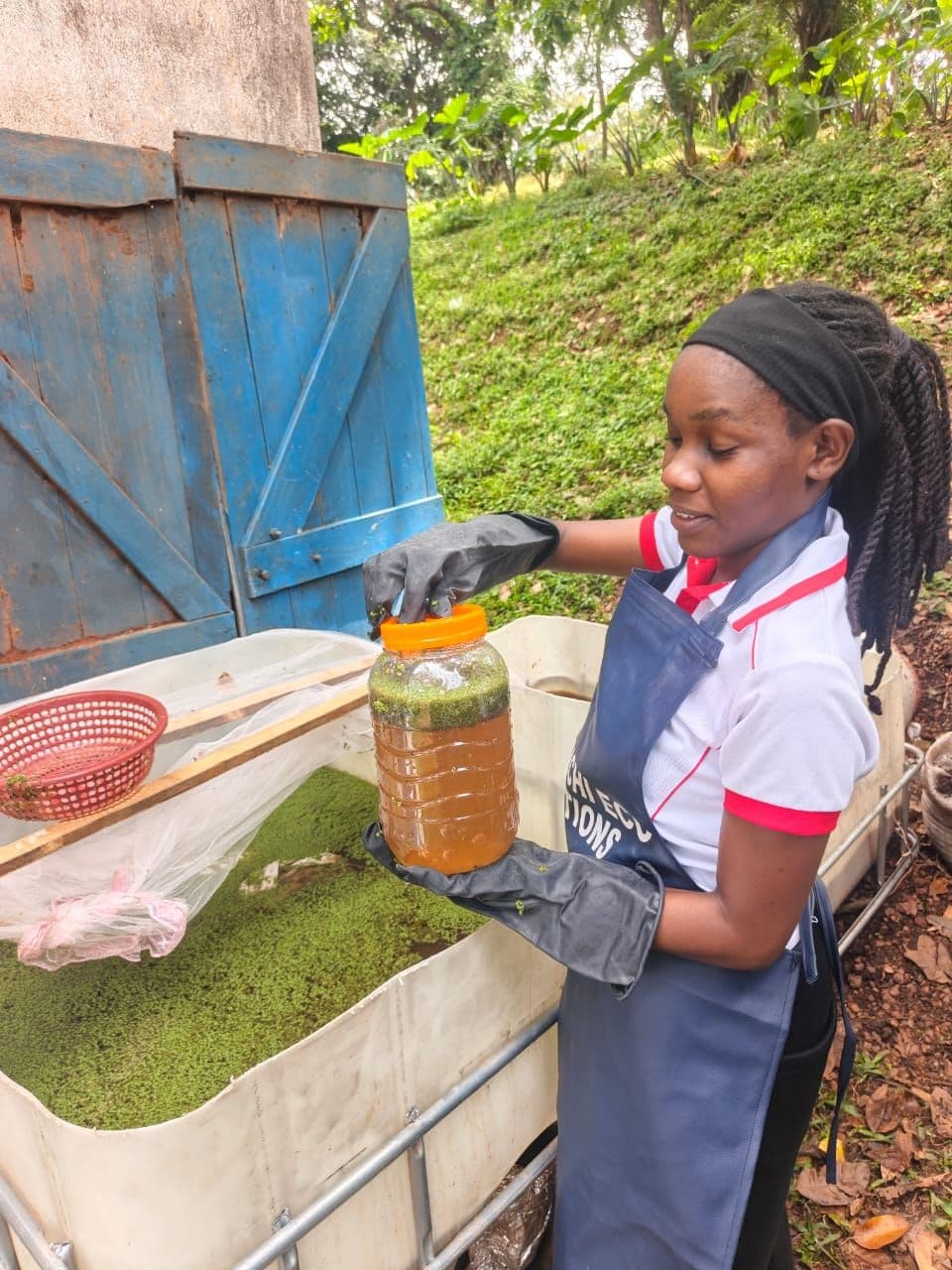
Establishment of Azolla Growing Units
We design and construct tailored Azolla production systems suited to any space and budget. This includes simple domestic setups using basins and plastic troughs for backyard poultry, raised timber and sheet beds, and durable silpaulin/tarpaulin-lined earthen ponds measuring 3m x 2m or larger for commercial piggery and dairy enterprises.
- Site evaluation for optimal sunlight and water proximity
- Durable UV-treated silpaulin pond construction (10-15 year lifespan)
- Substrate layering with soil, compost, and phosphorus rock/ash
- Initial inoculation with high-viability pure starter mother culture
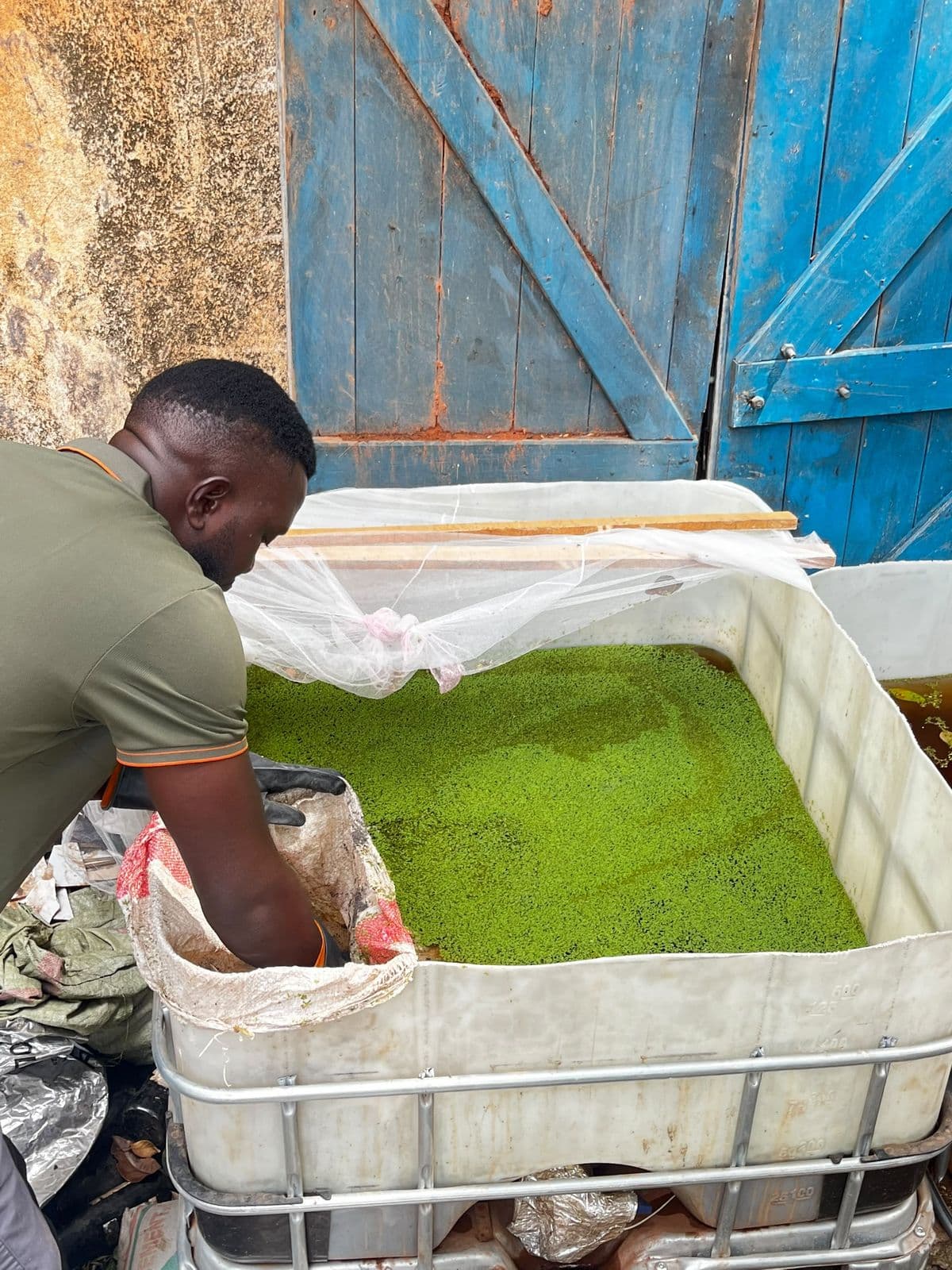
Hands-On Cultivation & Harvesting Training
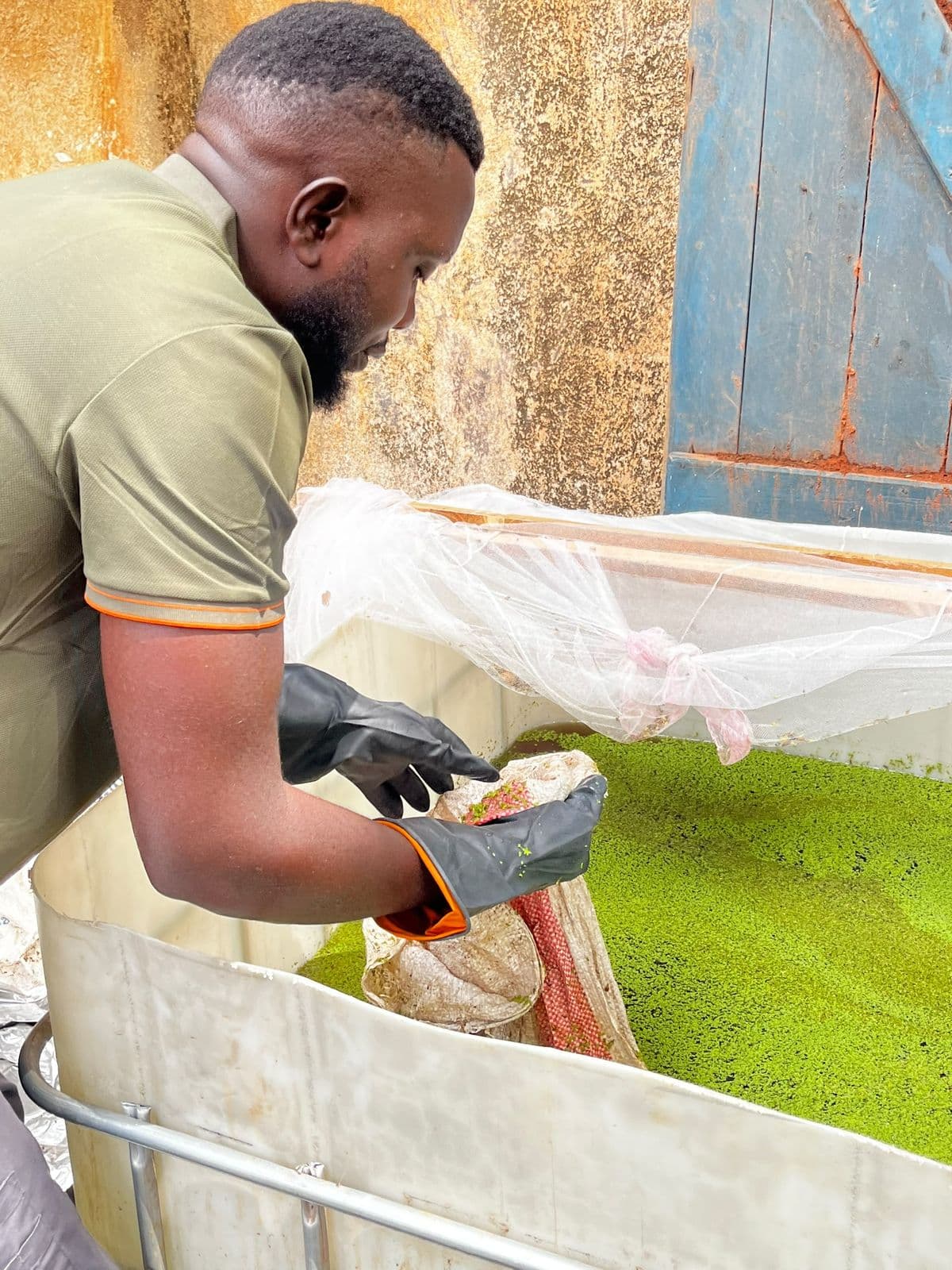
Azolla reproduces vegetatively at an extraordinary pace, doubling its biomass every 3 to 7 days under optimal conditions. We train farmers how to harvest daily using fine mesh strainers, how to thoroughly rinse the harvested fern to eliminate manure odor, and how to replace spent nutrients weekly to maintain continuous, lush growth throughout the year.
- Daily harvest schedules to prevent overcrowding and stunting
- Standard washing and draining methods for animal safety
- Water replenishment and sludge removal techniques
- Troubleshooting yellowing fronds, insect pests, and heat stress
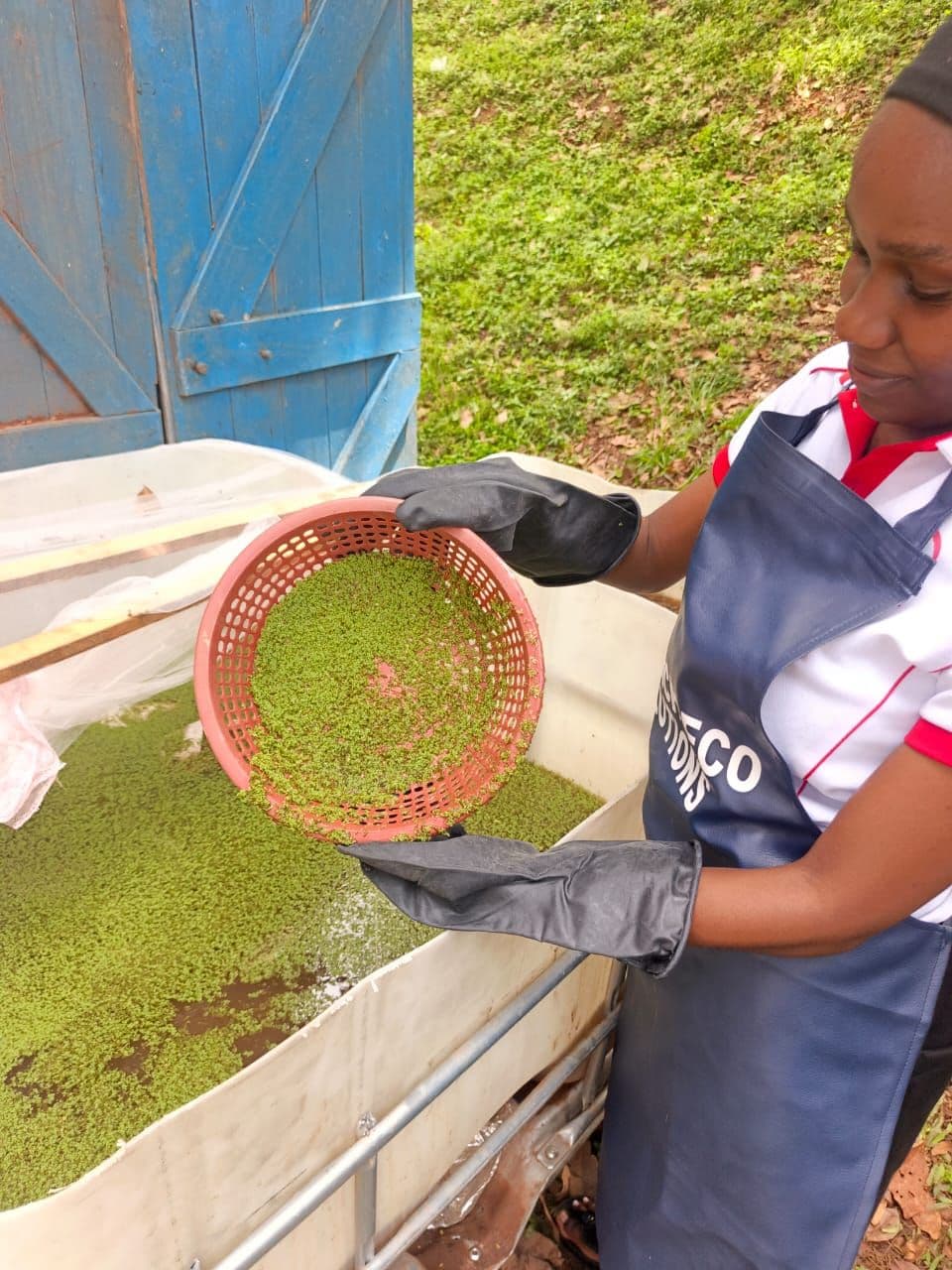
Feed Preparation & Rationing
Azolla can be fed freshly harvested, air-wilted, or dried and milled into meal to fortify commercial feeds. We provide scientifically backed rationing protocols ensuring animals receive optimal protein without digestive upsets. We teach farmers the precise mixing ratios for maize bran, broken grain, concentrate premixes, and fresh Azolla.
- Species-specific rationing charts and dry-matter calculations
- Solar drying techniques to preserve carotene, protein, and vitamins
- Feed formulation combining Azolla with local agricultural byproducts
- Storage guidelines for dried Azolla meal
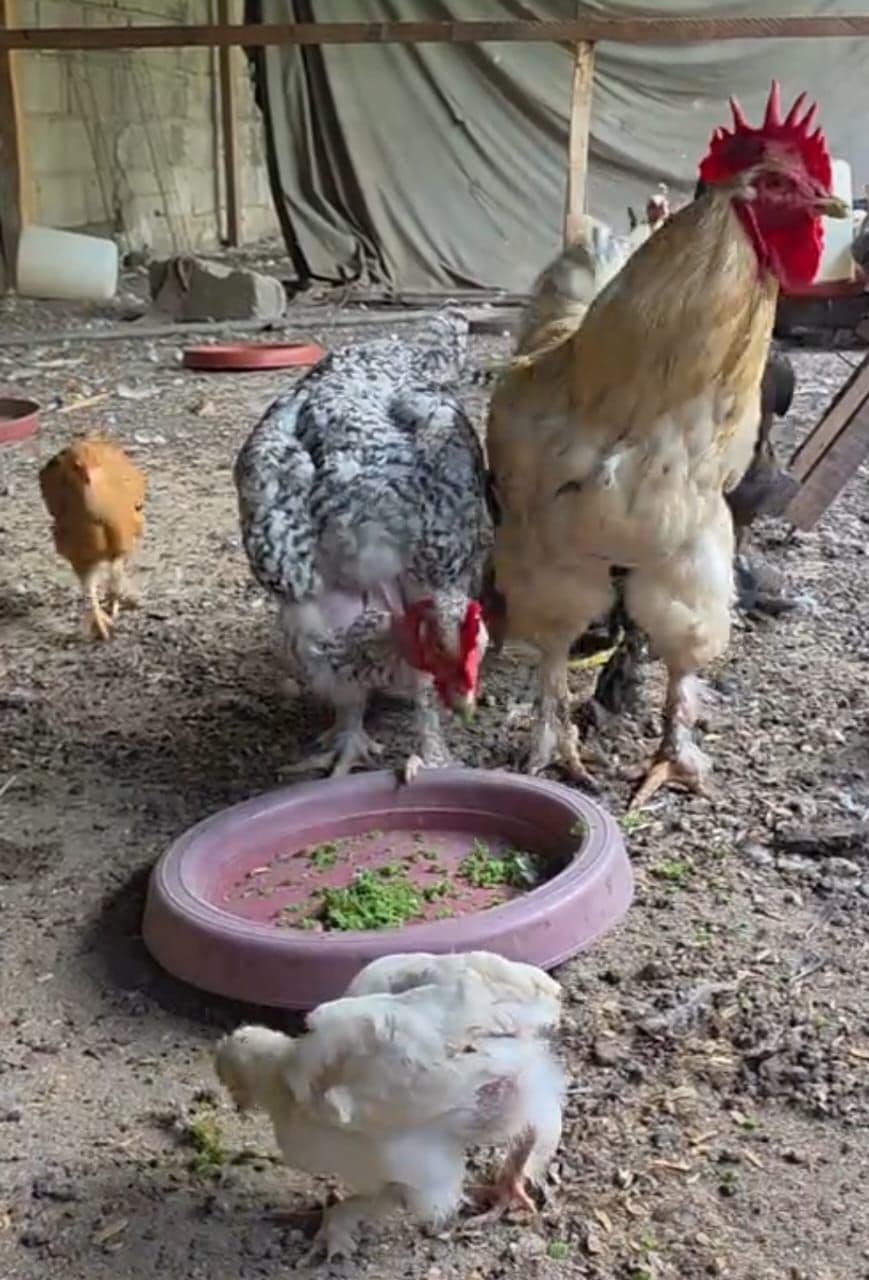
Integrating Azolla into Livestock Diets
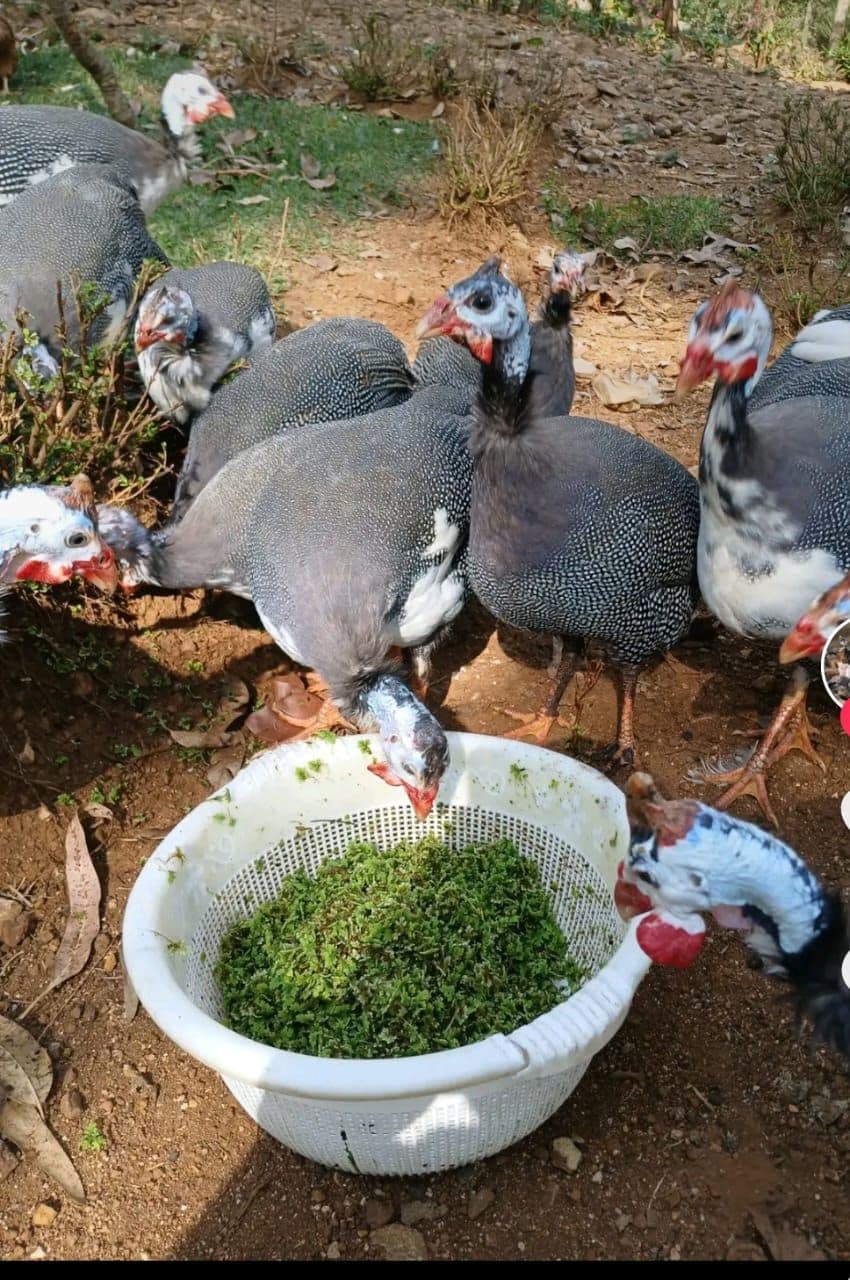
Every animal species responds differently to new feeds. We guide farmers through a smooth 7-to-10 day gradual introduction period to build gut adaptation and high palatability. Once acclimated, animals consume Azolla eagerly, resulting in richer egg yolks, faster poultry weight gain, higher butterfat in dairy milk, and lean pork growth.
- Gradual dietary transition schedules
- Monitoring animal health, weight gain, and milk/egg output
- Palatability enhancement (mixing with salt brine or molasses when needed)
- Veterinary oversight on animal digestion and condition scoring
Pure Starter Mother Culture Distribution
Starting with clean, contaminant-free Azolla strain is critical for success. Azofarm Ug maintains certified mother ponds and packages vigorous, fresh starter cultures with easy inoculation instructions. We supply starter cultures to farmers nationwide, accompanied by ongoing telephone, WhatsApp, and field agronomic advice.
- Tested, high-vigor Azolla starter culture (live biomass packs)
- Express dispatch via reliable public transit and courier across all districts
- Inoculation quick-start guide and nutrient booster sachet
- Direct agronomist WhatsApp helpline for initial 30-day establishment
Have a Farm, School, or Cooperative?
We design custom training workshops, community demonstration ponds, and institutional feeding setups across all regions of Uganda.